
White Papers and More
White Papers and More
Read white papers to learn from members who have succeeded at community engagement, tips for finding a good CDMO, and more.
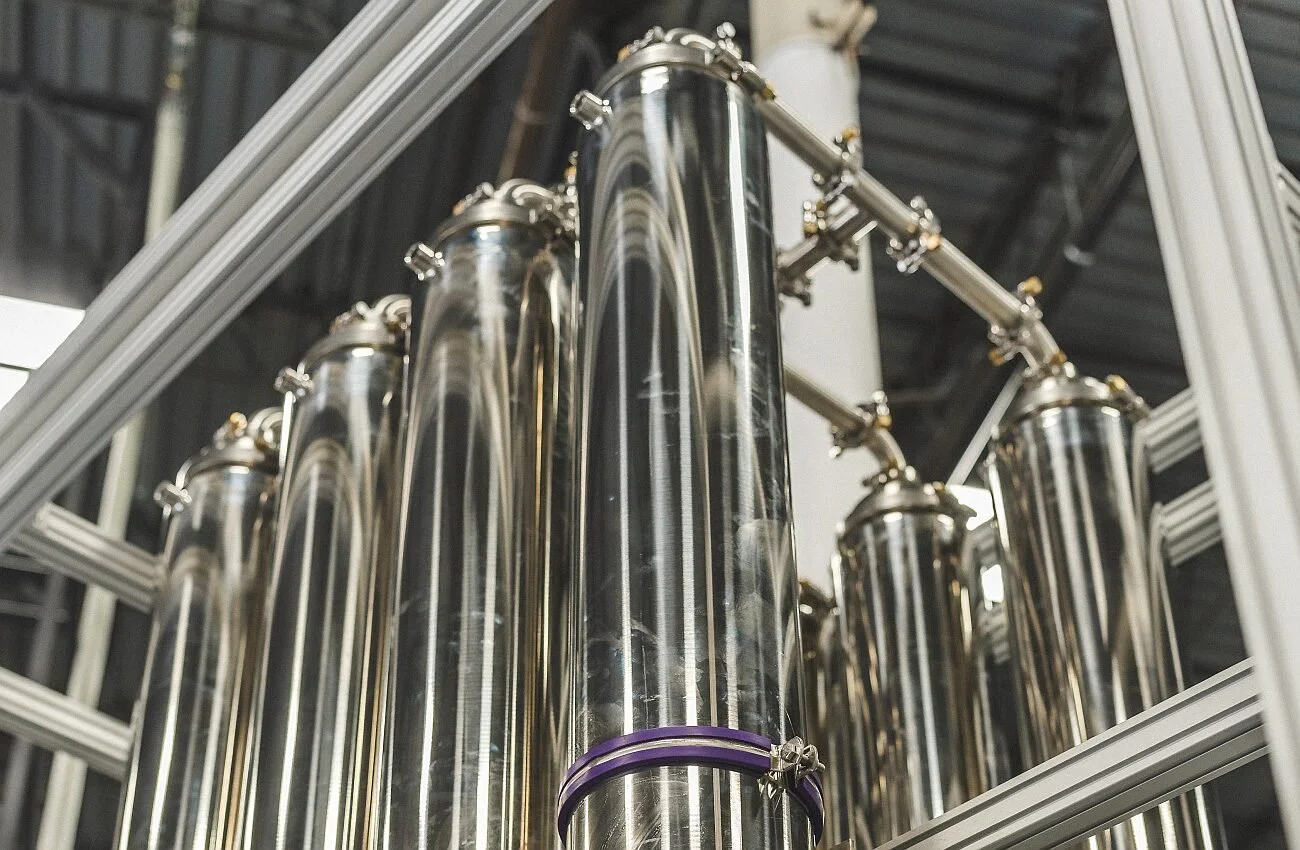
Photos © Capra Biosciences; below © Tigermoth Photo
-
As bioindustrial manufacturing companies grow, community engagement can be a key strategy for success. Organizations can tailor outreach strategies to best reach specific community stakeholder groups to form partnerships, attract a robust workforce, capture consumer interest, and increase adoption of biomanufactured products. Check out this white paper to learn from BioMADE members about how they engaged local units of government, the nearby workforce, and consumers to support success.
-
The textile and material industries are at a point of transformation, as consumers look for features like PFAS-free formulation, reduced microplastic production, and better performance. Research and commercial milestones across multiple product categories show that new bio-based materials are ready for wider adoption. Read BioMADE’s latest white paper to learn how these trends are driving the next era of textile innovation.
-
Transitioning a product out of the lab and toward the commercial market is rife with challenges, as most companies know. This treacherous “Valley of Death” can include high production costs, technical challenges, and technology transfer issues. There are a few common pitfalls that biotechnology companies often overlook and fall into during piloting efforts. As you begin scaling from the benchtop to larger fermenters, check out this white paper from BioMADE for best practices to consider as you lay a foundation and scale up right for success.
-
In July 2026, BioMADE released the results of a new national survey finding broad, bipartisan support for expanding America’s bioindustrial manufacturing capabilities. The results show that Americans across regions, demographics, and political affiliations overwhelmingly want more bio-based products in the supply chain, believe the federal government should invest in domestic biomanufacturing, and want the U.S. to fight to be a global leader in this competitive industry. Read the report here.
-
What Should Scale Down Experiments Recreate?
Effective scale‑down testing focuses on recreating the dynamic, biologically relevant conditions that cells experience at commercial scale—guided by predictive models and validated through representative laboratory experiments—to reduce technical risk before larger‑scale manufacturing.How do we ensure the right data, the right methods, and right decision-making support fermentation scale-up?
This roundtable note highlights that scale‑up success depends on reliable measurements, clear handling of variability, and solid feedstock and instrument alignment. The subcommittee emphasized that expert analytical guidance is key to avoiding misinterpretation during transfers.How do mixing and OTR differences between bubble columns and stirred tanks shape scale up?
This note summarizes a roundtable discussion from the Fermentation Scale‑Up Subcommittee on how mixing and oxygen‑transfer differences shape scale‑up in bubble columns versus stirred tanks.What are some effective strategies to use to de-risk fermentation scale-ups during the transition from lab-scale to commercial production?
Scaling fermentation from lab to commercial scale requires beginning with the end in mind and building robustness into the process from the start to expose and mitigate risks before full commercial campaigns.What should be considered when scaling a fermentation process from R&D to industrial scale?
Fermentation scale-up begins when a fermentation process moves from lab-scale experimentation into industrial engineering conditions, where mechanical, thermal, and fluid dynamic factors become dominant. Find key considerations to include once a decision on scale-up process has been made.
Access More Resources
-

Education and Workforce
Access curricula, training materials, equipment lists, and more for learners at K12, community college, university, or professional development levels.
-
Physical Infrastructure
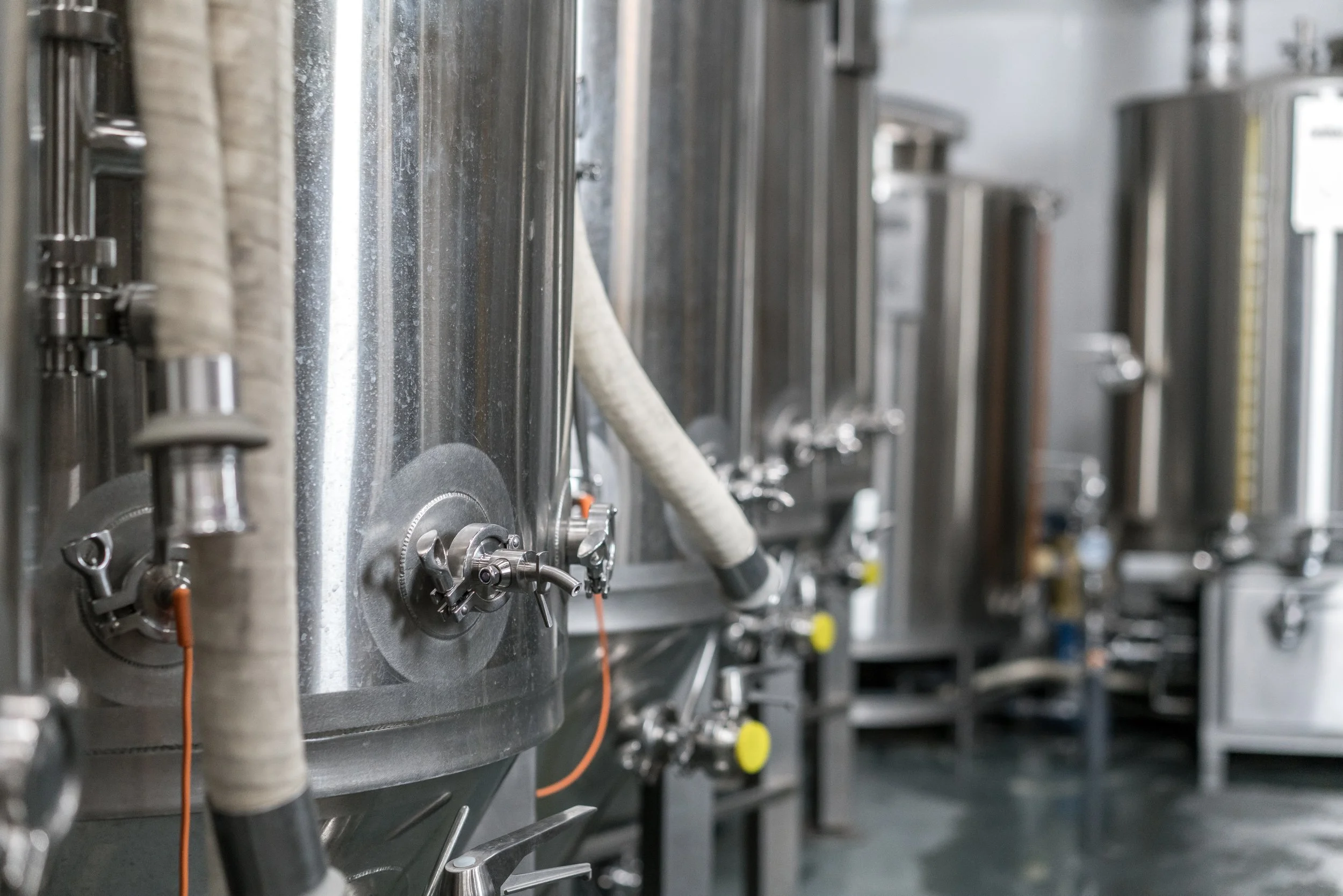
Find case studies from members who have built first-of-a-kind infrastructure, and access BioMADE’s Digital Infrastructure Database (coming soon!).
-
Webinars
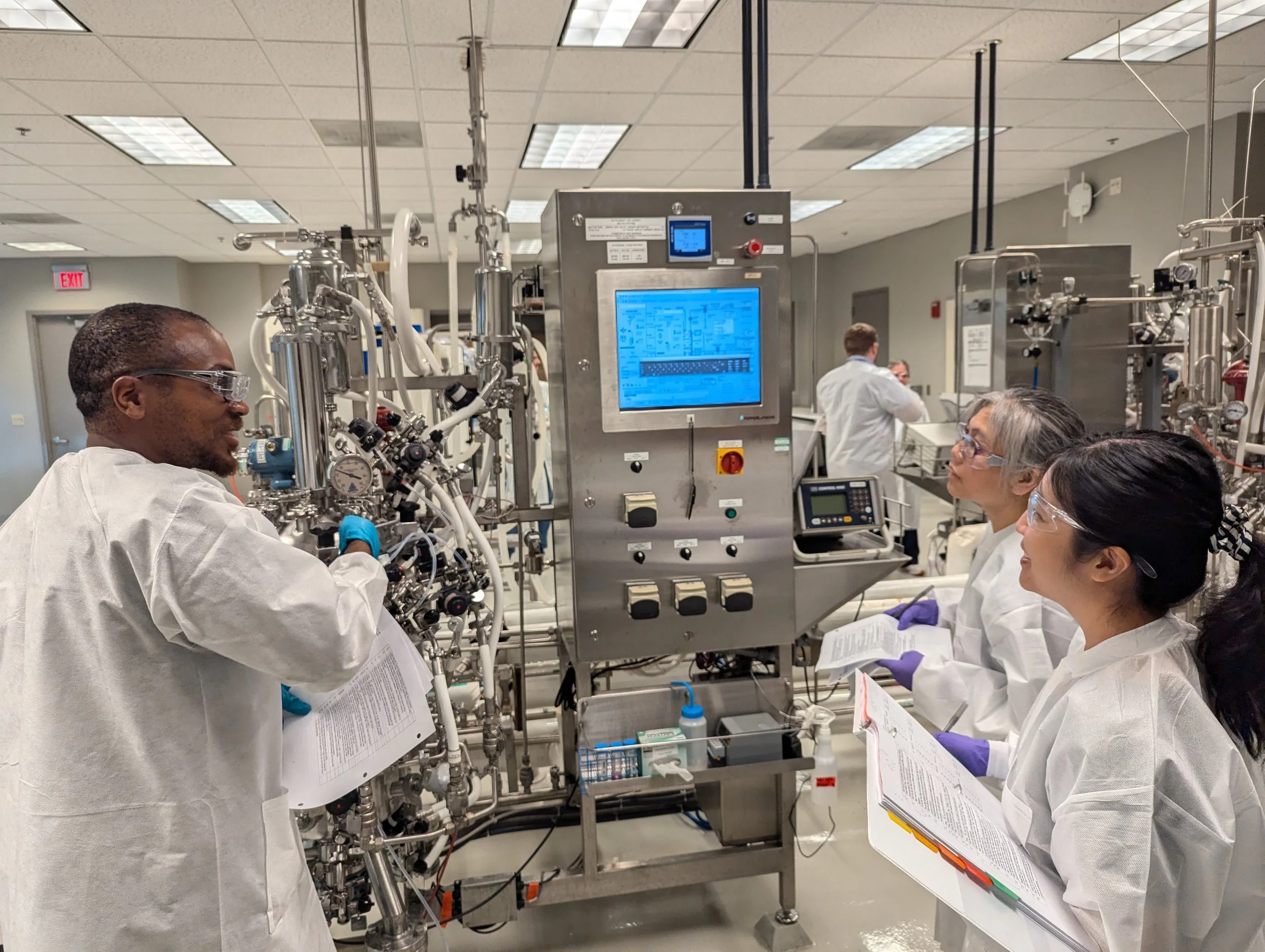
Watch recordings of Community Capabilities webinars – featuring members sharing resources on a variety of topics – as well as webinars on technology protection.