Gas Fermentation to Enable Decentralized Local Biomaterials Manufacturing
Members: Mango Materials, University of California, Davis, Black & Veatch
Project dates: 2024 – 2026
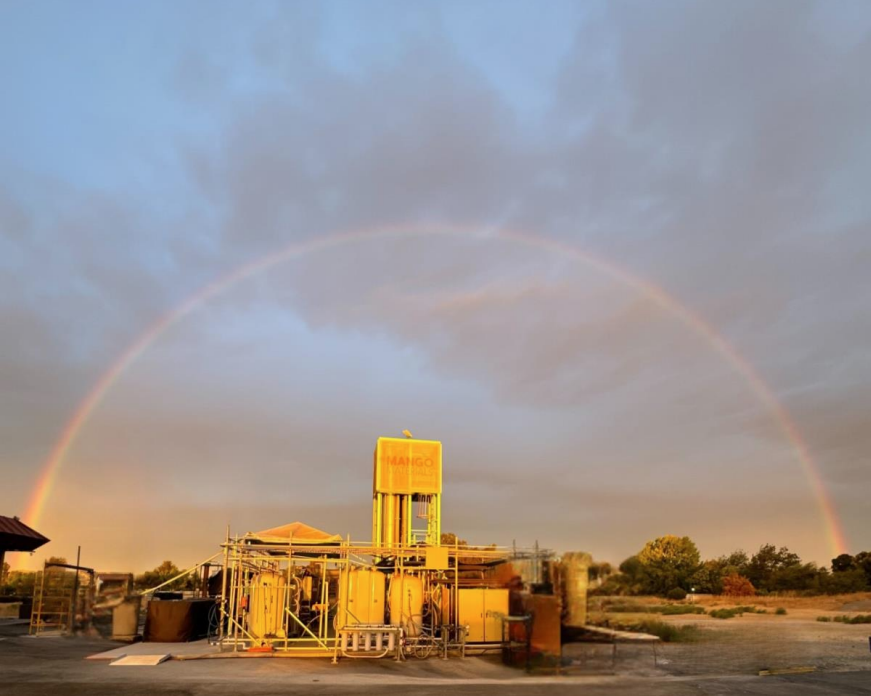
Mango Materials produces a polyhydroxyalkanoate (PHA) bioplastic using waste gases from wastewater treatment plants as a bio-based alternative to petroleum-based plastics for applications like 3D printing, films, and fibers. This project evaluated using their novel process to produce needed materials at decentralized manufacturing sites in low-resource environments with limited access to water or energy.
Through this project, Mango demonstrated that using non-potable water does not affect the quality of their bioplastic. They also recycled fermentation broth and processing water to increase efficiencies. Furthermore, through collaboration with Black & Veatch on Techno-Economic and Life Cycle Analysis, they identified energy-intensive processing steps and experimentally validated electricity and cost reductions by modifying these steps. Implementing these process changes led to the production of material at reduced costs, a TEA model of optimal facility size, and final cost estimates for future production.
Mango also engaged extensively with their community to inspire and raise awareness about the possibilities of domestic biomanufacturing. They hosted students for facility tours, graduate students, and warfighters exploring careers in science.
Members can access resources from this project, including:
TEA model on optimal plant sizing
Life Cycle model comparing uses of biogas
Poster on methane to PHA production
The Roadmap to Biomanufacturing presentation of community engagement for building your facility
Funding source: U.S. Department of Defense